Economic Progress Overview
Over the past three years under the Islamic Emirate of Afghanistan, notable progress has been achieved in the economic sector alongside developments in other areas of governance. Following a period of severe economic uncertainty, the country’s economy has gradually moved toward stability and recovery.
The re-establishment of the Islamic Emirate marked a turning point, helping to stabilize key financial indicators and initiate reforms aimed at long-term economic sustainability.
Currency Stability and Financial System Recovery
One of the most significant achievements during this period has been the stabilization of the Afghan national currency. Despite regional and global economic challenges, the Afghani has remained resilient against foreign currencies and, in some cases, has shown appreciation.
In addition, the banking sector, which previously faced the risk of collapse, has been preserved and gradually restored. Financial institutions have continued operations, ensuring access to basic banking services for citizens and businesses.
Growth in Trade, Exports, and Mining
Trade activity has expanded considerably, with the country’s export volume reportedly doubling compared to previous years. Afghanistan’s trade relations with regional and international partners have strengthened, contributing to improved revenue streams.
At the same time, extensive efforts have been made in the mining sector. The extraction and processing of small, medium, and large-scale mineral resources are ongoing, creating new economic opportunities and contributing to national income.
Food Security and Domestic Production
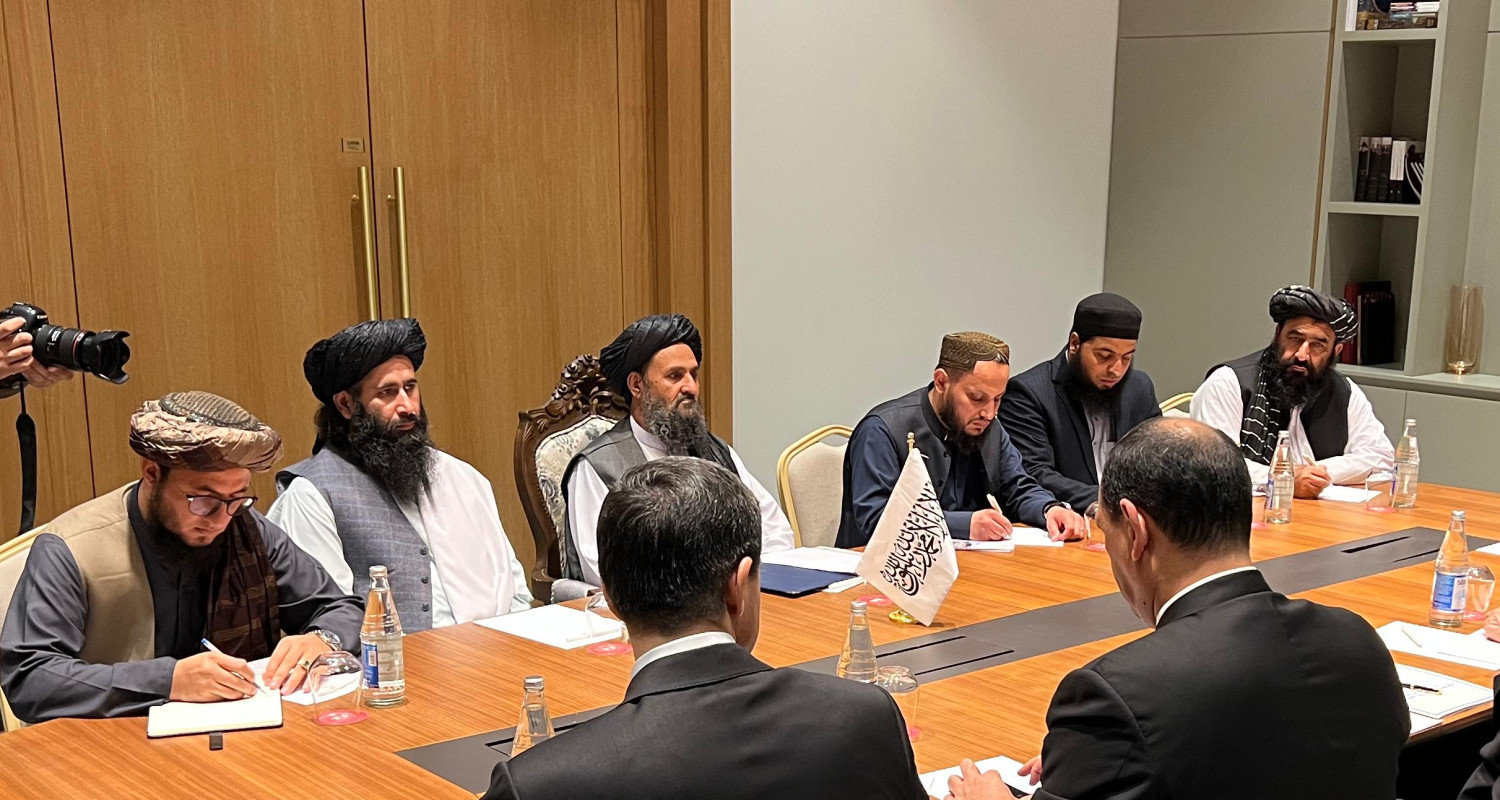
Foreign Minister Mawlawi Amir Khan Muttaqi assured the Turkmen side that all relevant Afghan government departments have completed their internal
Despite the expansion of government institutions, the economic framework has enabled the creation of hundreds of thousands of job opportunities. Employment has increased particularly in sectors such as mining, infrastructure development, and public welfare projects.
These initiatives have provided income opportunities for citizens while supporting national development objectives.
preparations for the extension of the TAPI pipeline inside Afghanistan.
Infrastructure Development and Transit Facilities
Turkmen Foreign Minister Rașid Meredov expressed his country’s full readiness to move forward with the TAPI project. He confirmed that Turkmenistan
Major infrastructure projects have been launched and rehabilitated across the country. These include the reconstruction of key road networks, the development of transit facilities, and improvements in transportation systems.
Such projects have enhanced domestic connectivity and facilitated regional trade, positioning Afghanistan as an important transit route in the region.
Growth in National Revenue and Budget Management
During this period, Afghanistan’s Gross Domestic Product (GDP) has shown measurable growth. National revenue has increased substantially, allowing the government to finance the national budget primarily through domestic income.
This shift toward self-reliance has reduced dependency on external funding and strengthened fiscal discipline.
Investment Climate and Private Sector Engagement
The Islamic Emirate has worked to create a more favorable environment for both domestic and foreign investment. Key sectors open to investment include:
Currently, dozens of domestic and international companies are actively investing in various sectors, while many others have expressed strong interest in entering the Afghan market.